
Gallstone Treatment and Gallbladder Removal (Cholecystectomy) at Ross Hall Hospital
Specialist consultant-led assessment and treatment for gallstones and gallbladder symptoms, including laparoscopic “keyhole” gallbladder removal (cholecystectomy).
For laparoscopic cholecystectomy. Final pricing is confirmed in writing after consultation and any necessary diagnostic tests.
Consultant-led gallstone care at Ross Hall Hospital
Mr Donald McArthur FRCS is a specialist Consultant Upper GI Surgeon with over 20 years’ experience in the management of complex gallbladder disease in both surgical and endoscopic (ERCP) treatments.
At a glance
- Private gallstone assessment and treatment
- Laparoscopic keyhole gallbladder surgery
- No GP referral required
- Insured and self-pay patients welcome
- Ross Hall Hospital, Glasgow
Gallstones and Gallbladder Symptoms
Clear patient information about gallstones, symptoms, treatment options and recovery after gallbladder removal.
What Are Gallstones?
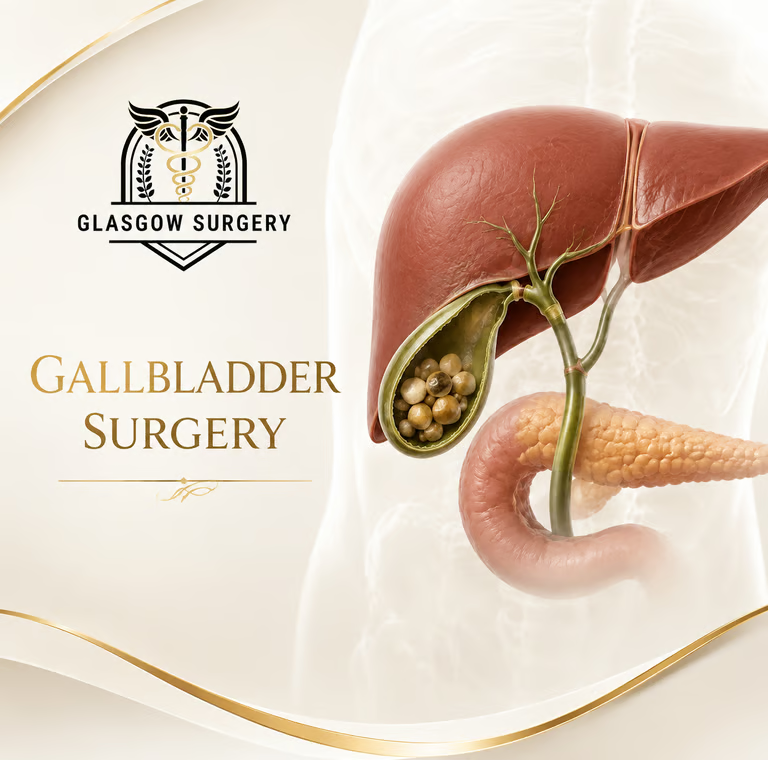
Gallstones are a common condition that can cause sudden, severe abdominal pain, often without warning. While some people have no symptoms, others experience recurring attacks that interfere with daily life and may require surgery. Gallstones are small, hardened deposits that form in the gallbladder. The gallbladder is a small organ beneath the liver that stores bile, which helps digest fats. Gallstones can vary in size from tiny grains to larger stones.
What problems can gallstones cause?
Common Symptoms of Gallstones
You may need specialist assessment if you experience:
- Sudden, intense pain in the upper abdomen, often called biliary colic
- Pain spreading to the back or right shoulder
- Nausea or vomiting
- Symptoms after eating fatty foods
- Recurrent episodes of pain
When to seek urgent medical advice
- Pain lasting more than a few hours
- Fever or chills
- Yellowing of the skin or eyes, known as jaundice
Gallstone Treatment Options
1. Monitoring if there are no symptoms
- Symptoms and risks can be reviewed during consultation
- Advice is tailored to your diagnosis and overall health
2. Surgical Treatment — Gallbladder Removal
- Small incisions using keyhole surgery
- Less pain after surgery
- Faster recovery
- Minimal scarring
- Short hospital stay, often same day or overnight
The Procedure
Typical Recovery Timeline
- Same day / next day discharge: many patients return home quickly
- Return to normal activities: within a few days
- Return to work: usually 1–2 weeks, depending on your job
After Surgery and Life Without a Gallbladder
Most people eat normally after gallbladder removal. Some may notice mild temporary digestive changes, but long-term lifestyle is usually unaffected.
- Digestion usually remains normal
- No long-term dietary restrictions are required for most patients
- Quality of life often improves significantly once pain is resolved
- Loose stools can occasionally occur but usually settle over several months
Why Choose Glasgow Surgery?
- Consultant-led care from an expert specialist Upper GI Surgeon
- Experience in high-volume laparoscopic procedures
- Rapid access to consultation and treatment
- Treatment at a leading private hospital in Glasgow
- A focus on safe, effective and minimally invasive surgery
Frequently Asked Questions
Do all gallstones need surgery?
Is gallbladder removal safe?
Will I need to change my diet?
How long will I be off work?
Book a Consultation
If you are experiencing gallstone symptoms, early treatment can prevent complications and relieve pain quickly.