
Hiatus Hernia and Acid Reflux Treatment at Ross Hall Hospital
Specialist consultant-led assessment, investigation and treatment for acid reflux, GORD/GERD and hiatus hernia, including laparoscopic anti-reflux surgery, hiatus hernia repair and Nissen Fundoplication.
Led by Mr Donald McArthur FRCS, Consultant Upper GI Surgeon, with consultations and treatment available at Ross Hall Hospital, Glasgow.
For laparoscopic hiatus hernia repair and fundoplication. Final pricing is confirmed after consultation and required tests.
Consultant-led care from initial consultation to follow-up
Mr Donald McArthur FRCS is a Consultant Upper GI Surgeon and chairs the regional benign Upper GI Multi Disciplinary Team. With over 20 years’ experience of complex and revisional hiatal surgery he supports and mentors fellow consultants in the West of Scotland. He provides expert private assessment, investigation and treatment with consideration of laparoscopic “keyhole” anti-reflux surgery where appropriate.
Glasgow Surgery Ltd supports insured patients and self-pay patients. A GP referral is not required. Patients receive consultant-led care from the first consultation through to treatment and follow-up, with a focus on clear advice, safe treatment and improved quality of life.
At a glance
- Private appointments available
- No GP referral required
- Insured and self-pay patients welcome
- Ross Hall Hospital and Ross Hall Clinic Braehead
- Minimally invasive “keyhole” surgery
- Focus on improving reflux symptoms and quality of life
Hiatus Hernia and Acid Reflux
Hiatus hernia and acid reflux (also known as GORD/GERD) are common conditions that can significantly impact your quality of life. Symptoms such as persistent heartburn, regurgitation and chest discomfort can interfere with sleep, eating and daily activities.
What is a Hiatus Hernia?
What is Acid Reflux (GORD/GERD)?
Common Symptoms
You may benefit from specialist assessment if you experience:
- Persistent heartburn
- Acid regurgitation
- Difficulty swallowing
- Chest or upper abdominal discomfort
- Chronic cough or hoarseness
- Symptoms worsening when lying down
When Should you see a Specialist
You should consider a consultation if:
- Symptoms persist despite medication
- You require long-term acid suppression therapy
- Symptoms are affecting your quality of life
- You have complications such as swallowing difficulties
Early specialist input ensures accurate diagnosis and access to the most effective treatment options.
Treatment Options for Reflux and Hiatus Hernia
Non-Surgical Management
- Lifestyle and dietary modification
- Weight management
- Acid-suppressing medication such as proton pump inhibitors
Laparoscopic Fundoplication
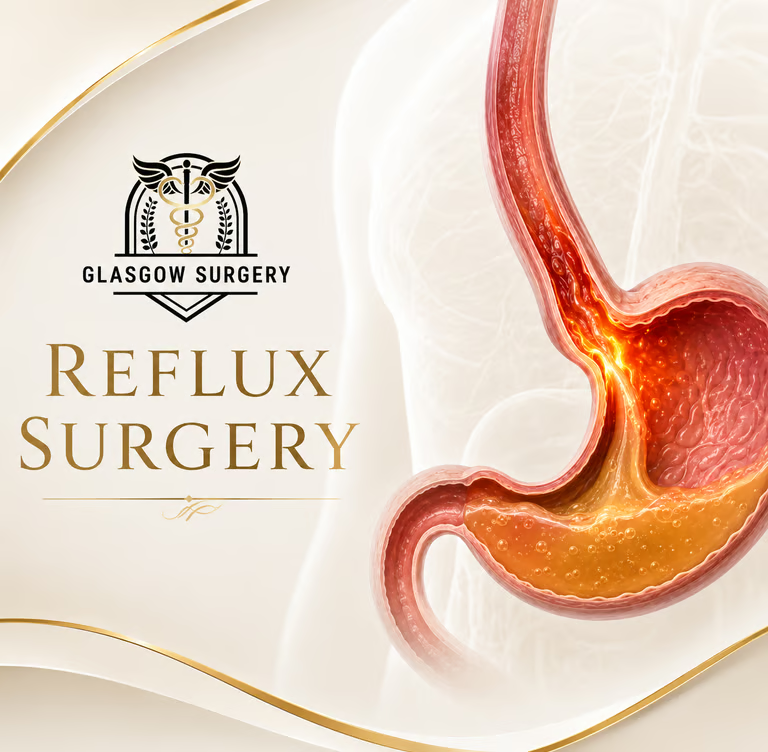
This is the most common procedure for treating reflux. It involves wrapping the upper part of the stomach around the lower oesophagus to strengthen the valve and prevent acid reflux. This operation is often called a Nissen Fundoplication, involving wrapping the gastric fundus 360 degrees around the oesophagus.
- Minimally invasive keyhole surgery
- Short hospital stay
- Long-term symptom relief
- Reduced dependence on medication
Hiatus Hernia Repair
What to Expect from Surgery
- Performed using keyhole techniques
- Typically requires a short hospital stay
- Most patients return to normal activities within a few weeks
- Significant improvement in reflux symptoms
- A personalised treatment plan will be discussed during your consultation
Why Choose Glasgow Surgery?
- Consultant-led care from initial consultation to follow-up
- Extensive experience in reflux and hernia surgery
- Access to modern, minimally invasive techniques
- Focus on patient safety, outcomes and recovery
- Tailored care for patients across Glasgow and Scotland
Frequently Asked Questions
Is reflux surgery permanent?
How long is recovery after surgery?
Will I need tests before surgery?
Is surgery safe?
Book a Consultation
If you are experiencing ongoing reflux symptoms or have been diagnosed with a hiatus hernia, specialist assessment can help determine the most appropriate treatment.